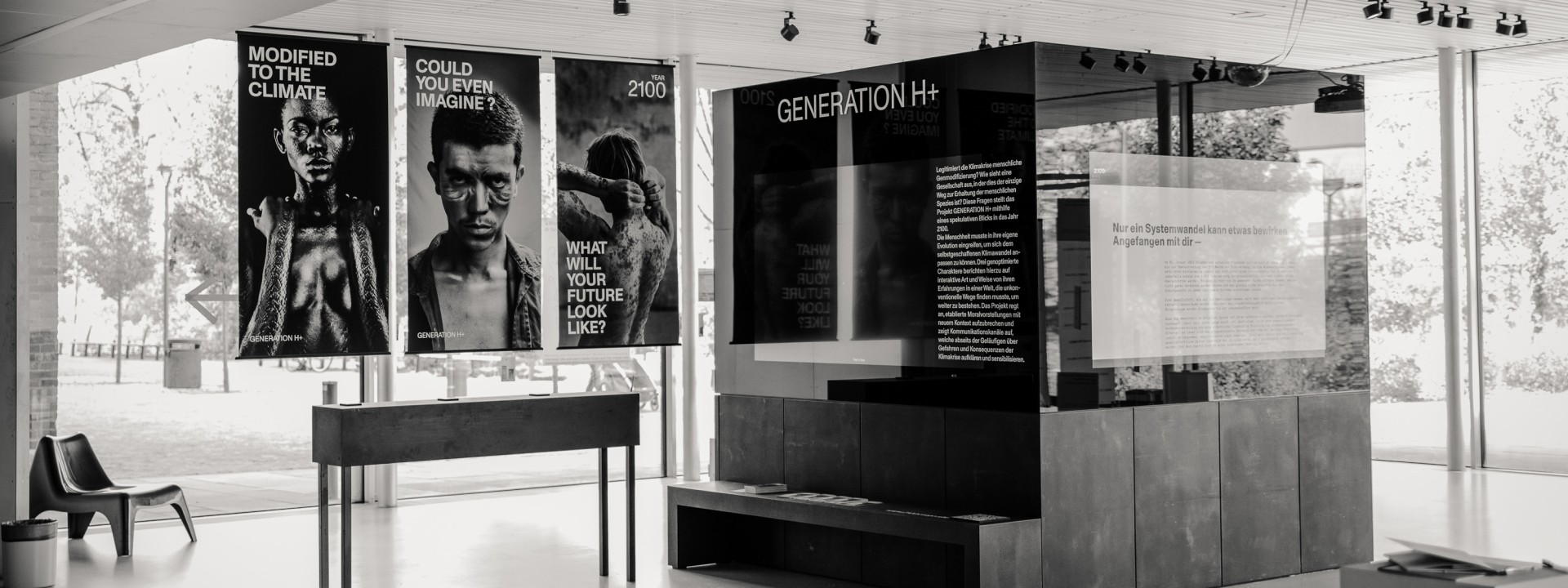
design cultures institute for applied design research (dci).
The design cultures institute for applied design research (dci) views design as an identity- and culture-fostering practise that has its very own knowledge and research culture. It explores perception, knowledge, activity, innovation and corporate cultures through design. It identifies familiar patterns, adapts them and refines them for the purpose of making them culturally compatible as well as generating new momentum for social, environmental, technological and entrepreneurial futures.
We are a living think tank for reflexive practise at the Department of Design at the Munich University of Applied Sciences, generate innovative ideas for research and transfer, develop social-cultural interventions and present future opportunities.
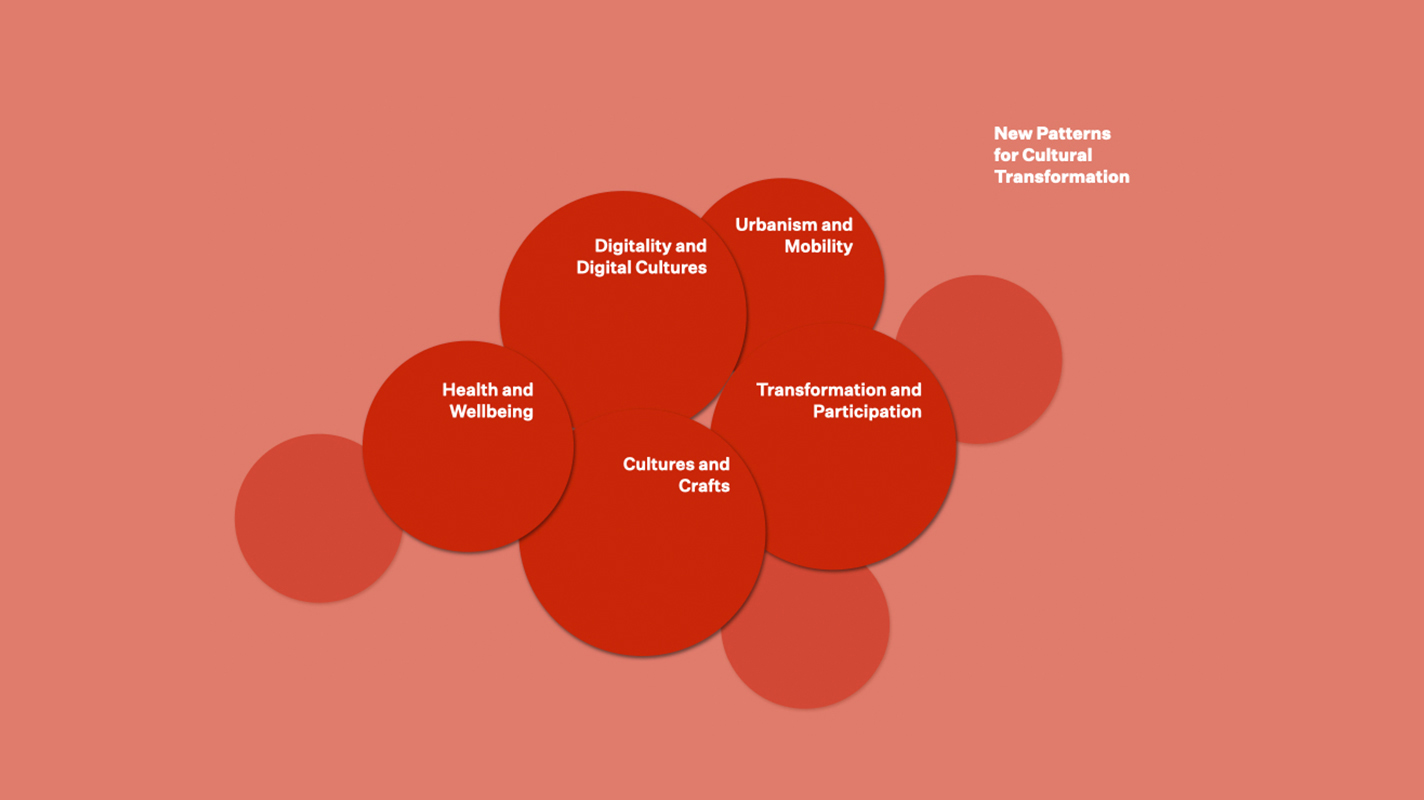
Focal points of the dci
New cultural patterns
The mission of design cultures institute for applied design research (dci) centres on two different areas: First, research and analysis of everyday, social and design-related cultures of activity, their interconnection and epistemic practises. Second, their transfer into new contexts and in the development of new cultural patterns set against the backdrop of current transformation tasks.
In the process, research into the transfer potential of a historic trade, craft, material or company as well as forgotten knowledge, usage and social cultures can be turned into research topics, as can research into the opportunities and limitations of participation formats, the exploration of the potential of future technologies for our everyday culture or the development of innovative image semantics, desirable futures, new patterns of thought and action in a changing consumer culture using the means of design.
The institute’s work reflects an application-related and research-driven understanding of design, a way of thinking that frees itself from the perceived ahistorical innovation dogma of modernism and continuously views design as the interweaving of historic and contemporary patterns and always as being a connecting, identity- and culture-fostering activity with its own epistemic practise. Applying an experimental, application-related approach to design research, the institute continuously works to identify pools of knowledge and transfer possibilities as well as identify and anticipate new cultural patterns of trust, adaptation or change that could be considered to be processes of cultural change and ideas about social, technological and entrepreneurial futures.
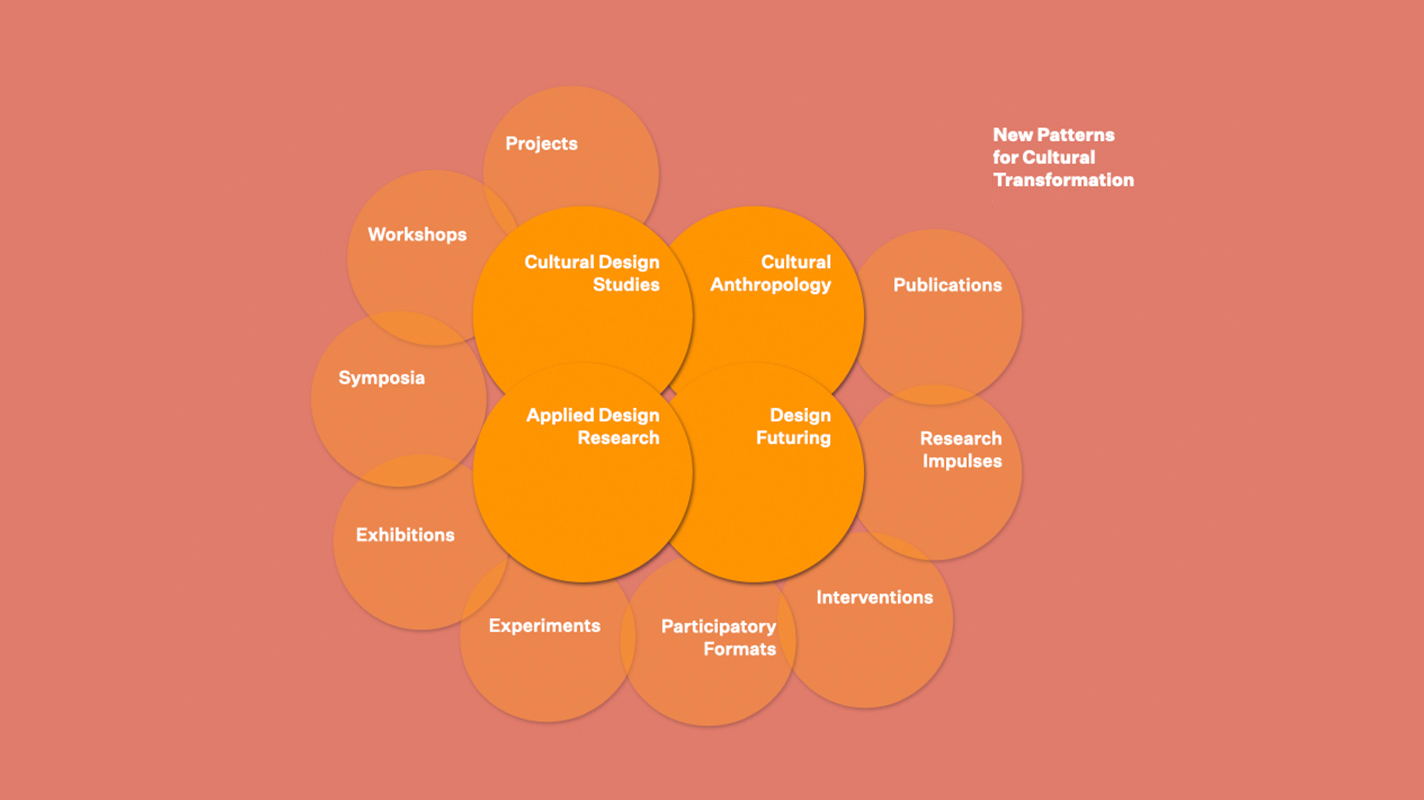
Methodology of the dci
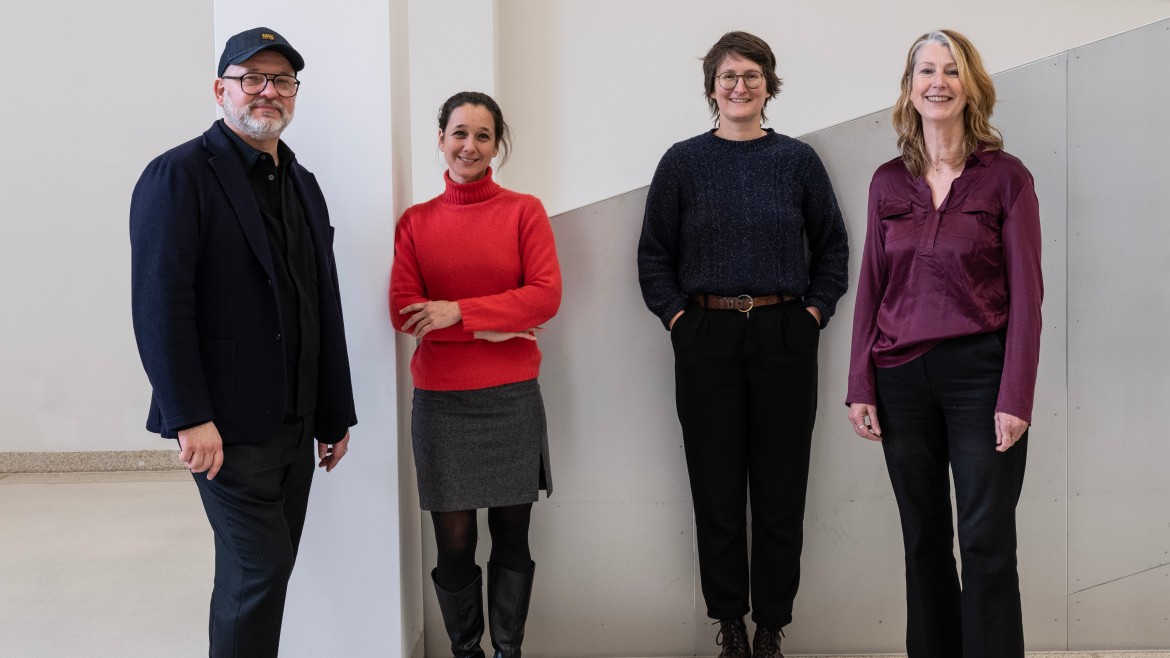
Team of the dci
Professor Markus Frenzl (head of the institute)
Professor for design and media theory, HTA research professor for design and innovation cultures, associate dean of the Department of Design, director of the master’s degree programme for applied design research, expert for design cultures and applied cultural semiotics
Manager of applied design research/research funding at the dci, expert in research applications, grant acquisition as well as planning, coordination and management of research projects and funding programmes
HTA professor for systemic design in the context of social change and transformative processes, equal opportunity officer at the Department of Design, expert in design futuring
Manager of applied design research/research network in the dci, associate equal opportunity officer of the Department of design, expert in social design